As I write this, the wind chill factor is well below zero, and summer seems a lifetime away. But if you are thinking about starting seeds indoors this year, this would be a good time to build a simple wooden plant stand. You don’t have to be a carpenter to build this, or have expensive power tools. Your local lumber yard will cut the pieces you need.
Mine is a simple A-frame, with one shelf, and the space for more plant flats on the floor. It stands about 4 feet tall, is 5 feet wide from end to end and 2 feet from front to back at the base. It has space for four or five flats or trays, each of which will hold at least 32 plants — more if you buy the smaller six-packs that I avoid (some flats can hold 48 to 72 plants). And if at a later time you want to grow more plants, you can put another four flats or more on the floor and add lights above them. Drywall Drill
The lumber for this cost me about $50. The light fixture — a simple shop light with two 4-foot LED bulbs and a plug-in cord — cost $62, although often they are more expensive. Looking at catalogs, I see that one can easily spend much more for a premade plant stand. If you decide you like starting plants in the house, you could buy the extra lights to illuminate more flats on the floor.
Here are the supplies for the model I built:
4 pieces of 1-by-3 pine, 4 feet long
4 pieces of 1-by-3 pine, 5 feet long
2 pieces of 1-by-3 pine, 16 inches long, for cross-bracing
1 piece of ¼-inch plywood, 18 inches by 4 feet (you can use thicker plywood if you have some)
1 pair of 3-inch strap hinges
4 feet of ¼-inch jack chain for hanging the lights, and two small cup hooks to hang the chain.
1 4-foot shop light with LED bulb and a plug-in cord
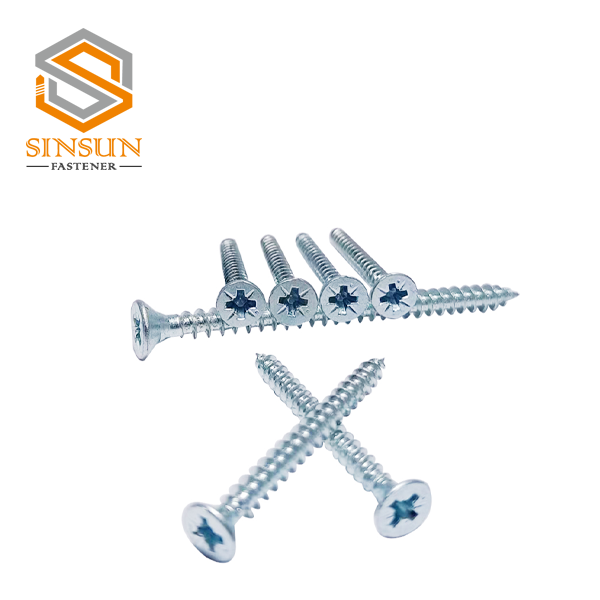
30 sheet rock screws (1¼ inch long)
Tools: portable drill with magnetic bit to fit the screws and a measuring tape
Most lumber yards will cut all your materials to size for you, but they do not have small sheets of plywood. I found that Home Depot does have plywood in 2-by-4-foot sheets, and they cut mine to give me a piece 18 inches by 4 feet for the shelf. You will need to ask them to cut the 1-by-3 pine boards as follows: four 60-inch pieces, four 48-inch pieces, and two 16-inch pieces.
Start by making two legs for your plant stand. Lay the 4-foot pieces end to end on the floor. Do it on your deck if possible, or next to a wall so that you can get them in a straight line by lining them up with something that is straight. Lay the hinges in place so that you will be able to fold them closed (most hinges only close one way). A cordless drill with a magnetic bit for Phillips screws will make your work much easier. To start the small screws on the hinges, make a hole first with a nail or awl, or a tiny drill bit.
Next, close up the hinged legs and place them 5 feet apart on the floor. Place two of the 5-foot pieces on top of the first side. One should be screwed right at the top, one 24 inches from that. Flip over the stand and do the same on that side. Stand it up and spread the legs 2 feet apart at the bottom. Then add a cross brace on each end of the A-frame just below the support pieces for your shelves.
Last, you need to hang the light. Mine came with S hooks and a chain, which made hanging the lights easy. If yours do not, you will have to buy them. Most shop lights have slots and holes on the back side so that you can easily slip in S-hooks to hang it. You can also open a link of your jack chain and fit it in without an S-hook; just use 2 pairs of pliers to bend a link open. Screw two small cup hooks into a top cross piece and attach the jack chain. The chain will allow you to raise or lower the light — lights should be about 6 inches above the plants.
Starting seedlings indoors is miraculous for me — even after doing it for decades. I hold my breath waiting for germination, and fuss over the seedlings like a mother hen. And when I bite into my first tomato in August, I have the added satisfaction of knowing that I brought that tomato into my world — with lots of help from Mother Nature.
Drywall Screws Henry Homeyer's blog appears twice a week at gardening-guy.com. Write to him at P.O. Box 364, Cornish Flat, N.H. 03746. Please include a self-addressed, stamped envelope if you wish a mailed response. Or email henry.homeyer@comcast.net.